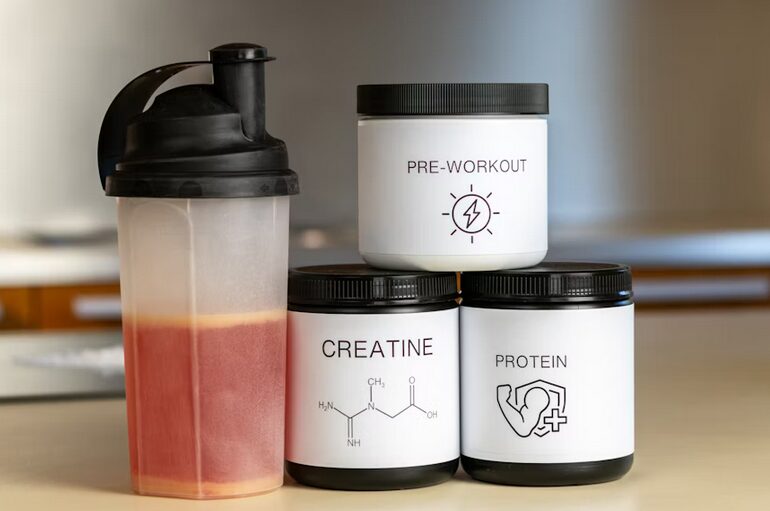
There’s no shortage of supplements promising more muscle, faster recovery, and increased performance—but how many of them are actually worth your time and money? The truth is, not all supplements are created equal, and only a handful have solid scientific backing to support their claims. If you’re focused on strength and recovery, sticking to evidence-based choices can help you get better results without wasting your money on hype. Let’s dive into five supplements that have consistently proven their value in the gym and in research.
Beta-Alanine
If you’ve ever felt the burn in your muscles during high-rep sets or conditioning workouts, beta-alanine might be able to help. It boosts levels of carnosine in the muscles, which buffers acid buildup and delays fatigue. This means you can push harder for longer during intense efforts. While it’s most effective for activities lasting 1–4 minutes (think high-intensity intervals or circuit training), it can indirectly support strength gains by improving your overall training volume. A common side effect is a harmless tingling sensation, but it usually fades over time.
Magnesium
Magnesium plays a role in over 300 enzymatic processes in the body, many of which are tied to muscle function, energy production, and recovery. Athletes and active individuals often fall short on magnesium due to losses through sweat, which can lead to muscle cramps, fatigue, and even trouble sleeping. Supplementing with magnesium can help support better recovery, improve sleep quality, and reduce muscle soreness—especially if your diet lacks leafy greens, nuts, or seeds.
Creatine Monohydrate
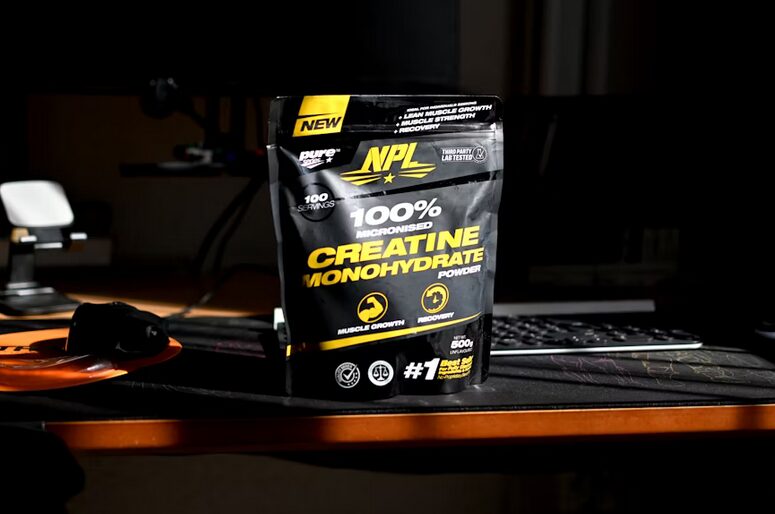
Creatine is one of the most researched and reliable supplements for improving strength, power, and muscle mass. It works by increasing your muscles’ phosphocreatine stores, which helps regenerate ATP—the energy currency your body uses during short, intense efforts like lifting or sprinting. Studies show that consistent use of creatine can enhance performance, speed up recovery, and support greater gains over time. It’s also one of the more affordable supplement options that support your training, making it a solid choice whether you’re a beginner or an experienced lifter.
Protein Powder
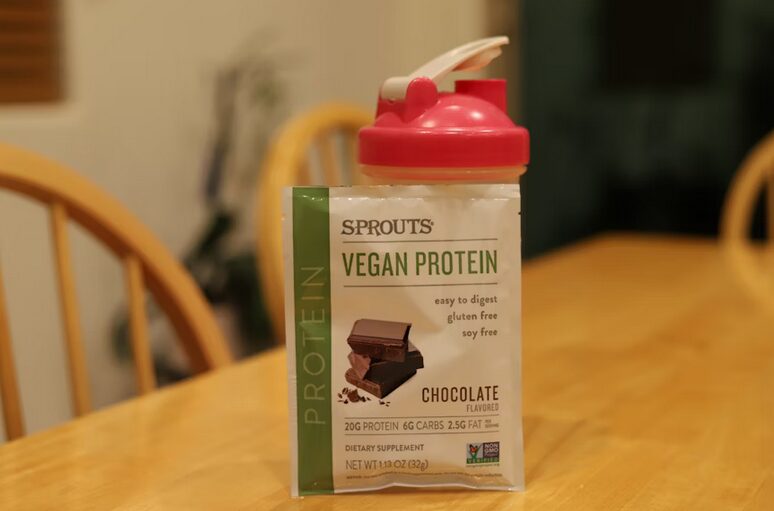
Protein isn’t just essential for muscle building—it’s also crucial for recovery. Getting enough protein helps repair muscle fibers after intense workouts and supports overall muscle maintenance. While whole food sources should be your primary go-to, a high-quality protein powder can make it easier to hit your daily protein targets, especially post-workout when your body is primed for nutrient absorption. Whether you choose whey, casein, or a plant-based blend, the key is consistency and quality.
Omega-3 Fatty Acids
You might not think of fish oil when you think of performance supplements, but omega-3 fatty acids play a surprisingly important role in recovery. These healthy fats help reduce exercise-induced inflammation, ease joint stiffness, and may even support muscle protein synthesis. EPA and DHA, the active components in omega-3s, are found mainly in fatty fish like salmon, but taking a supplement ensures you get a reliable dose, especially if seafood isn’t a regular part of your diet.
The world of supplements is filled with bold promises, but when it comes to strength and recovery, the basics still hold strong. Creatine, protein, omega-3s, beta-alanine, and magnesium all have solid research backing their effectiveness and safety. While no supplement can replace hard work in the gym and a solid diet, adding a few of these science-supported options to your routine can give you that extra edge. Focus on the essentials, stay consistent, and let the results speak for themselves.