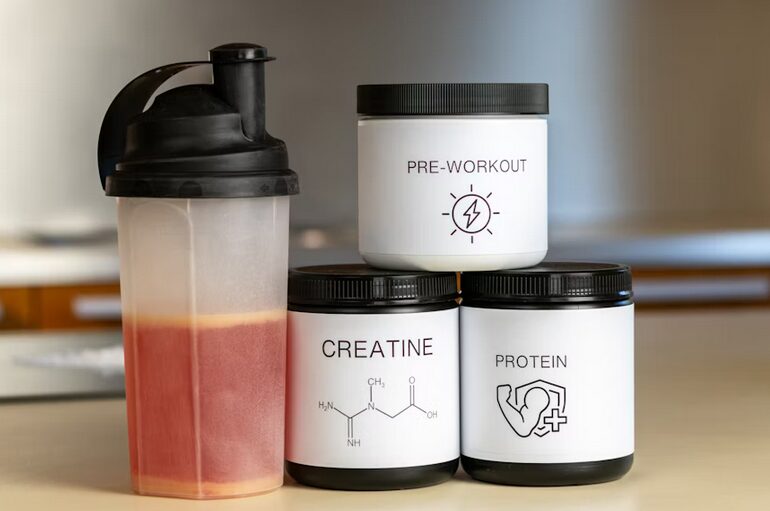
preworkout

The Top 5 Supplements Backed by Science for Strength and Recovery

There’s no shortage of supplements promising more muscle, faster recovery, and increased performance—but how many of them are actually worth your time and money? The truth is, not all supplements are created equal, and only a handful have solid scientific backing to support their claims. If you’re focused on strength and recovery, sticking to evidence-based choices can help you get better results without wasting your money on hype. Let’s dive into five supplements that have consistently proven their value in the gym and in research.

Beta-Alanine

If you’ve ever felt the burn in your muscles during high-rep sets or conditioning workouts, beta-alanine might be able to help. It boosts levels of carnosine in the muscles, which buffers acid buildup and delays fatigue. This means you can push harder for longer during intense efforts. While it’s most effective for activities lasting 1–4 minutes (think high-intensity intervals or circuit training), it can indirectly support strength gains by improving your overall training volume. A common side effect is a harmless tingling sensation, but it usually fades over time.

Magnesium

Magnesium plays a role in over 300 enzymatic processes in the body, many of which are tied to muscle function, energy production, and recovery. Athletes and active individuals often fall short on magnesium due to losses through sweat, which can lead to muscle cramps, fatigue, and even trouble sleeping. Supplementing with magnesium can help support better recovery, improve sleep quality, and reduce muscle soreness—especially if your diet lacks leafy greens, nuts, or seeds.

Creatine Monohydrate
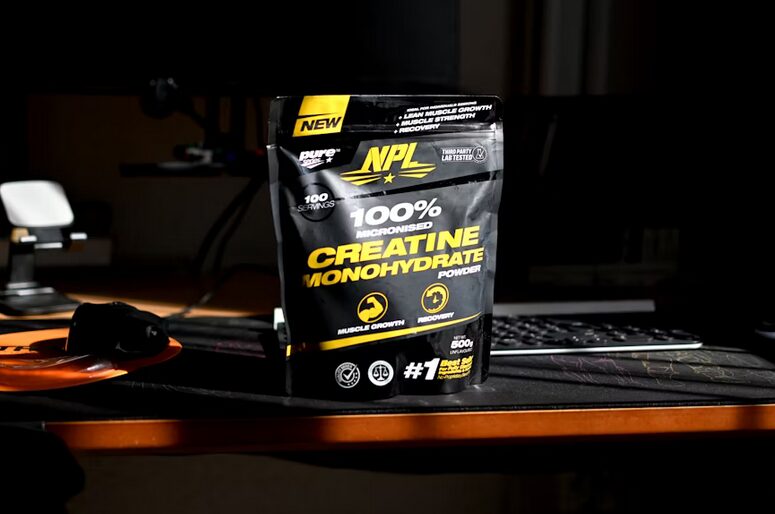
creatine

Creatine is one of the most researched and reliable supplements for improving strength, power, and muscle mass. It works by increasing your muscles’ phosphocreatine stores, which helps regenerate ATP—the energy currency your body uses during short, intense efforts like lifting or sprinting. Studies show that consistent use of creatine can enhance performance, speed up recovery, and support greater gains over time. It’s also one of the more affordable supplement options that support your training, making it a solid choice whether you’re a beginner or an experienced lifter.

Protein Powder

Protein isn’t just essential for muscle building—it’s also crucial for recovery. Getting enough protein helps repair muscle fibers after intense workouts and supports overall muscle maintenance. While whole food sources should be your primary go-to, a high-quality protein powder can make it easier to hit your daily protein targets, especially post-workout when your body is primed for nutrient absorption. Whether you choose whey, casein, or a plant-based blend, the key is consistency and quality.
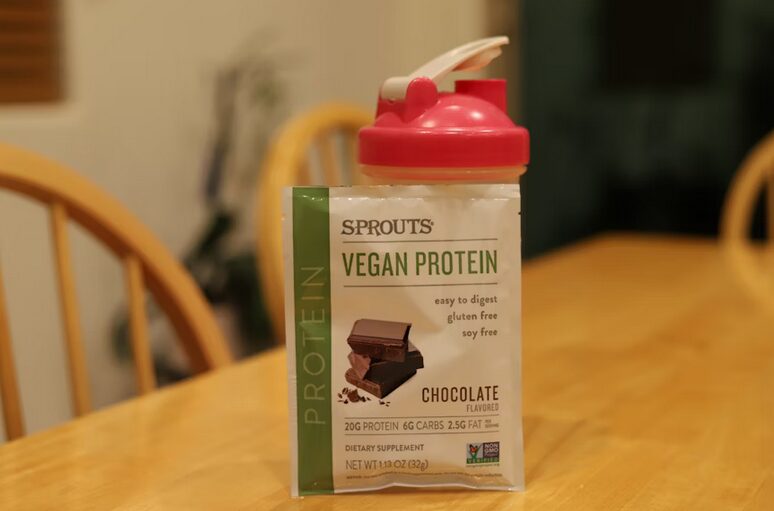
protein

Omega-3 Fatty Acids

You might not think of fish oil when you think of performance supplements, but omega-3 fatty acids play a surprisingly important role in recovery. These healthy fats help reduce exercise-induced inflammation, ease joint stiffness, and may even support muscle protein synthesis. EPA and DHA, the active components in omega-3s, are found mainly in fatty fish like salmon, but taking a supplement ensures you get a reliable dose, especially if seafood isn’t a regular part of your diet.

The world of supplements is filled with bold promises, but when it comes to strength and recovery, the basics still hold strong. Creatine, protein, omega-3s, beta-alanine, and magnesium all have solid research backing their effectiveness and safety. While no supplement can replace hard work in the gym and a solid diet, adding a few of these science-supported options to your routine can give you that extra edge. Focus on the essentials, stay consistent, and let the results speak for themselves.…

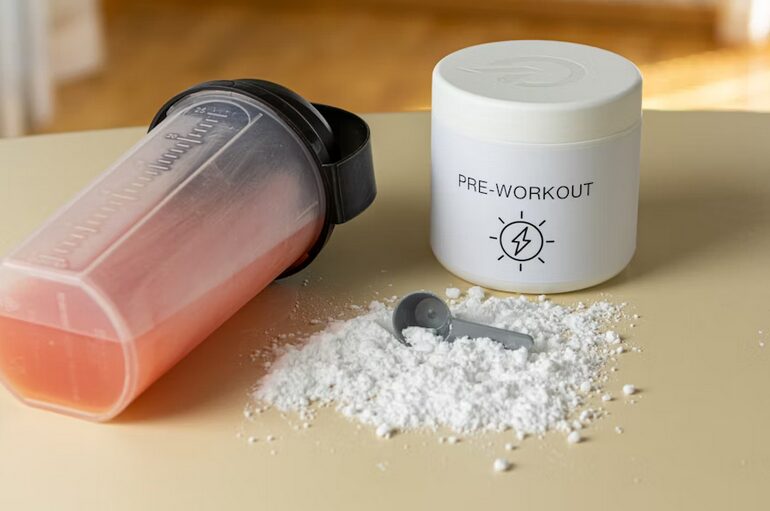
strength

Best Practices for Adding Supplements to Strength Workouts

If you’ve started strength training regularly, you might be considering adding supplements to enhance your performance and results. Supplements can support muscle growth, improve recovery, and help fill nutritional gaps. However, it’s important to be strategic rather than random when introducing them into your routine. While some people jump in without a second thought, choosing the right supplements—and using them correctly—can make a noticeable difference. For those who don’t know where to start, this guide explains how supplements help with healthy eating, leading to better workout results. Let’s dive into the best practices for incorporating supplements into your strength workout regimen.

Understand What Your Body Actually Needs

One of the biggest mistakes people make is taking supplements without knowing whether they’re necessary. Before adding anything new, consider your current diet, lifestyle, and fitness goals. Are you getting enough protein from food alone? Are you frequently low on energy or slow to recover after workouts? Assess these factors and consult with a health professional if needed. Just because a product is popular doesn’t mean it’s suitable for you. Being intentional with your choices prevents wasting money or taking substances your body doesn’t need.

Prioritize High-Quality Ingredients

All supplements are not created equal. It’s easy to get drawn in by flashy labels and big promises, but what’s inside the container matters more than the marketing. Look for supplements with transparent ingredient lists and third-party testing to verify safety and potency. Avoid those packed with artificial additives or fillers that do little more than occupy space. Your strength workouts deserve better fuel than low-grade ingredients. Take time to research reputable brands and stick with those that are known for consistency.

Don’t Let Supplements Replace Real Food

Don’t Let Supplements Replace Real Food

It’s tempting to rely heavily on powders and pills, but supplements should never be a substitute for real, nutrient-rich food. Think of them as additions to a solid diet, not replacements. Real food offers fiber, antioxidants, and a variety of nutrients that can’t always be replicated in a capsule. Supplements are helpful, especially when life gets busy, but they work best in combination with a diet full of lean proteins, vegetables, healthy fats, and whole grains. Strength training doesn’t work in isolation, and neither should your nutrition.

Time Your Supplements Wisely

Timing plays a bigger role in effectiveness than many people realize. Some supplements are most beneficial before your workout, others after. For instance, caffeine and creatine are commonly used pre-workout for energy and performance, while protein powder and branched-chain amino acids (BCAAs) are helpful post-workout to support muscle repair. If you’re taking a supplement at the wrong time of day, it might not deliver the benefits you’re expecting. Reading the label and understanding the intended use can help you optimize results.

Monitor Your Body and Adjust Accordingly

work out

Once you’ve started taking supplements, it’s essential to pay attention to how your body responds. Are you feeling more energized? Recovering faster? Experiencing side effects like bloating or irritability? These responses can help you fine-tune your supplement routine. Just like you wouldn’t follow the same workout plan forever, your supplement intake may also need to evolve with your progress and needs. Don’t hesitate to cut back or switch products if something doesn’t feel right. Listening to your body is a major part of achieving long-term success.

Adding supplements to your strength workout routine can be helpful, but only when done with care and purpose. The best results come from understanding your nutritional gaps, choosing high-quality products, timing them effectively, supporting them with a healthy diet, and adjusting based on how your body reacts. Avoid overcomplicating the process with trendy ingredients or excessive intake. Instead, focus on what supports your body and complements your training. By sticking to these five practices, you’ll build a smart supplement strategy that enhances both your strength goals and overall well-being.…